
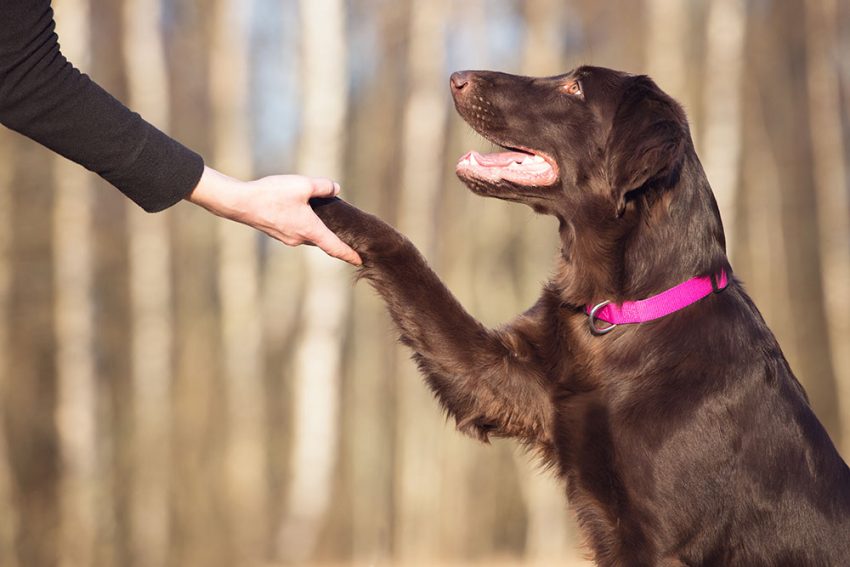
Behavior consistency training Arizona is one of the most effective approaches for creating reliable, well-mannered dogs that respond the same way in different environments, distractions, and emotional states. Instead of focusing only on isolated commands, behavior consistency training in Arizona emphasizes repetition, structure, and reinforcement patterns that help dogs generalize good behavior across real-life situations.
For dog owners in Arizona, where environments can shift from calm indoor spaces to highly stimulating outdoor settings, consistency is what determines whether training “sticks” or falls apart. This guest post explores how behavior consistency training in Arizona works, why it matters, and how structured programs like those offered by Rob’s Dog Training help dogs build dependable habits that last.
Understanding Behavior Consistency Training Arizona
At its core, behavior consistency training Arizona focuses on one principle: dogs learn through repeated, predictable outcomes. If a behavior is rewarded sometimes but ignored other times, the dog receives mixed signals. Over time, that inconsistency leads to unreliable responses.
Consistency training removes confusion by aligning:
- Commands (what you say)
- Timing (when you reward or correct)
- Environment (where the behavior is practiced)
- Expectations (what “success” looks like every time)
In Arizona’s diverse environments, parks, suburban neighborhoods, busy sidewalks, and desert trails, dogs must learn to respond consistently regardless of distractions.
Why Consistency Matters More Than Commands
Many owners assume training failure comes from the dog “not listening.” In reality, most issues stem from inconsistent reinforcement.
For example:
- A dog is allowed to jump on guests sometimes, but is corrected other times
- A leash pull is ignored on short walks but corrected on busy walks
- A recall command is used casually without follow-through
These mixed signals weaken behavioral reliability.
Behavior consistency training in Arizona solves this by creating predictable cause-and-effect patterns. Dogs quickly learn:
- Sitting always earns a reward or release
- Pulling never leads to forward movement
- Calm behavior always produces access to what they want
Once clarity is established, obedience becomes stable rather than situational.
The Science Behind Behavior Consistency Training Arizona
Modern dog training is rooted in behavioral psychology, particularly operant conditioning and reinforcement theory. Dogs don’t generalize commands automatically; they learn context-by-context.
Key scientific principles include:
1. Reinforcement Schedules
Dogs respond best when reinforcement is:
- Immediate
- Consistent in early stages
- Gradually variable once behavior is learned
2. Generalization
A dog must learn that “sit” means the same thing:
- In the kitchen
- At the park
- Around other dogs
Without consistency training, dogs may only obey in familiar environments.
3. Emotional State Conditioning
Dogs also associate behavior with emotional states. Calm repetition helps reduce anxiety, reactivity, and overstimulation.
Core Components of Behavior Consistency Training Arizona
A structured program typically includes several foundational elements.
Structured Obedience Foundations
Basic commands like:
- Sit
- Down
- Stay
- Come
- Place
But these are not taught once—they are reinforced daily in varying contexts.
Leash Manners and Walking Control
Arizona environments often require strong leash discipline due to distractions. Consistency training ensures:
- No pulling is ever rewarded
- Calm walking equals forward movement
- Reactivity is redirected, not ignored
Impulse Control Development
Dogs learn to wait before:
- Eating
- Crossing thresholds
- Greeting people
- Engaging with other dogs
Impulse control is one of the strongest predictors of long-term behavior stability.
Environmental Proofing
Training must extend beyond the home:
- Busy streets
- Dog parks (controlled exposure)
- Outdoor retail areas
- Trails and open spaces
Common Mistakes That Break Consistency
Even well-intentioned owners can unintentionally disrupt progress. The most common mistakes include:
Inconsistent Rules Between Family Members
If one person allows jumping and another discourages it, the dog defaults to confusion.
Delayed Reinforcement
Rewarding too late reduces clarity. Dogs associate behavior with immediate outcomes.
Over-Correction Without Teaching
Correction without guidance does not build understanding; it creates uncertainty.
Skipping Real-World Practice
Dogs trained only indoors often struggle outdoors due to a lack of generalization.
How Professional Training Builds Faster Consistency
While owners can make progress independently, structured programs accelerate results by controlling variables and enforcing consistency across sessions.
Programs like those offered by Rob’s Dog Training focus on:
- Controlled repetition under distraction
- Clear reinforcement systems
- Step-by-step progression of difficulty
- Coaching owners to maintain consistency at home
This combination ensures the dog and handler develop synchronized communication habits.
Step-by-Step Behavior Consistency Framework
Below is a simplified structure used in behavior consistency training in Arizona programs:
Step 1: Establish Clear Commands
Each command must have:
- One meaning
- One cue
- One expected outcome
Step 2: Create Controlled Repetition
Practice in distraction-free environments first:
- Living room
- Backyard
- Quiet spaces
Step 3: Add Mild Distractions
Gradually introduce:
- Noise
- Movement
- New objects or scents
Step 4: Transition to Real-World Settings
Only after reliability is established indoors.
Step 5: Maintain Reinforcement Consistency
Even after mastery:
- Occasionally, reward correct behavior
- Correct immediately when expectations are broken
Behavioral Consistency vs Traditional Training
Traditional training usually teaches commands in isolation, like “sit” or “stay,” but those behaviors often only work well in familiar or low-distraction environments. In contrast, behavior consistency training Arizona focuses on building reliable habits that hold up anywhere, not just during training sessions.
The key difference is consistency. Traditional methods can be environment-specific and sometimes rely on inconsistent follow-through, which leads to confusion for the dog. Behavior consistency training in Arizona removes that uncertainty by using the same expectations, timing, and reinforcement every time, until the behavior becomes automatic.
Instead of just teaching a command, the goal is long-term reliability. Dogs learn that good behavior always produces the same outcome, no matter where they are. This shift is what creates stable, real-world obedience.
The Role of Owners in Success
No training system works without owner involvement. The dog’s behavior is a reflection of daily reinforcement patterns at home.
Owners must commit to:
- Using the same cues every time
- Following through on commands
- Avoiding accidental reinforcement of unwanted behavior
- Practicing short, frequent training sessions
Even 10–15 minutes per day of consistent reinforcement can dramatically improve outcomes.
Arizona-Specific Training Challenges
Behavior consistency training Arizona must account for unique environmental factors:
- Extreme heat is limiting outdoor training windows
- High-distraction wildlife scents in desert areas
- Busy urban/suburban transitions
- Seasonal changes in activity levels
These conditions make generalization training even more important for reliable obedience.
Real-World Results of Consistency Training
When applied correctly, behavior consistency training produces noticeable changes:
- Reduced leash pulling within weeks
- Improved recall reliability outdoors
- Fewer reactive responses to dogs or people
- Increased calmness in high-distraction environments
- Stronger bond between dog and owner
These results come not from complexity, but from repetition and clarity.
Building Long-Term Success
Consistency is not a phase; it is a lifelong structure. Even after formal training ends, maintaining predictable reinforcement patterns ensures behavior stability.
To sustain results:
- Keep commands simple and consistent
- Reinforce good behavior periodically
- Avoid reverting to mixed rules
- Practice in new environments regularly
Final Thoughts
Behavior consistency training Arizona is not just about obedience; it’s about communication clarity between dogs and their owners. When expectations are predictable, dogs feel more confident, responsive, and balanced in everyday life.
With structured guidance from professionals like Rob’s Dog Training, owners can build lasting behavioral reliability that extends beyond basic commands and into real-world situations.
For dog owners seeking dependable results, consistency is not optional; it is the foundation of everything that follows.