
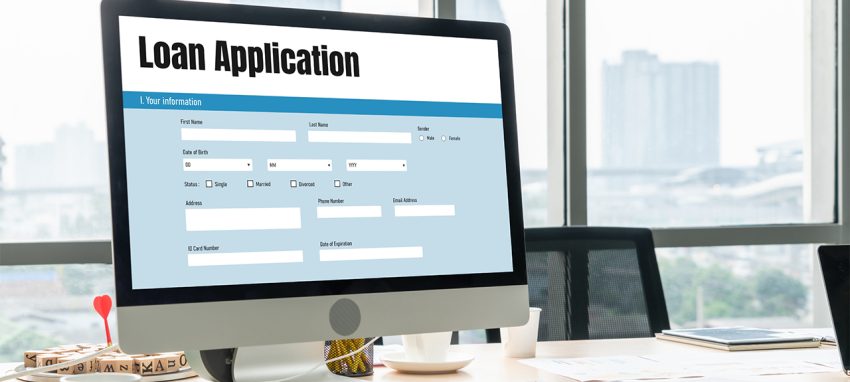
A first funding request can feel less like paperwork and more like walking into a bank lobby without knowing the language. The SBA loan application is not filed with some faraway federal office first; you work with a participating lender, and that lender decides whether your numbers, story, and repayment plan make sense. For many American owners, the hard part is not filling blanks. It is proving that borrowed money will turn into steady cash, not fresh pressure. Start by checking SBA loan requirements, gathering small business loan documents, and speaking with more than one lender before you choose a path. A clear funding story matters as much as the forms. If you are already working on visibility, trust, and business growth through resources like local business credibility building, this funding process should match that same discipline. Treat the SBA lender match step as a door opener, not a promise. The stronger your file looks before a banker asks, the less you will sound like a hopeful beginner.
Understand What an SBA-Backed Loan Is Before You Ask for Money
SBA-backed financing is often misunderstood. The government does not hand most owners a check for a regular 7(a), 504, or microloan. A lender provides the money, while the Small Business Administration backs part of the risk under program rules. That setup can help a qualified owner get longer terms or a better fit than a normal bank loan, but it also means the lender still thinks like a lender. They want proof. That proof begins with whether your business is legal, active, able to repay, and asking for money that fits an allowed business purpose.
Know why the lender still acts like the gatekeeper
The first surprise for many first timers is that the SBA is not your main audience. Your banker, credit union, community lender, or certified development company is. The SBA sets program boundaries, yet the lender studies your cash flow, owner credit, industry risk, collateral, and management history.
That can feel unfair when you hear that these loans are meant to help small businesses. A bakery in Ohio buying a second oven may need patient capital. A lawn care company in Texas may need equipment before spring demand hits. Both can fit the spirit of the program, but neither gets approved on spirit alone.
Here is the non-obvious part: a smaller loan can face harder questions than a bigger one when the file looks messy. A $60,000 request with vague sales numbers may scare a lender more than a $450,000 request backed by signed contracts, tax returns, and clean margins. Order beats optimism.
Before you compare lenders, read the official SBA loan program page so you understand the broad rules from the source. Then use that knowledge to speak in plain terms. You do not need banker slang. You need a request that makes sense.
Pick the program based on the use, not the name
Many owners say they want an SBA loan because the phrase sounds safe. That is backward. Start with the job the money must do. Working capital, equipment, real estate, business purchase, debt refinance, and startup costs do not carry the same risk. They also do not point to the same lender conversation.
A 7(a) loan can fit many purposes, such as working capital, equipment, ownership changes, or certain debt refinance needs. A 504 loan is more tied to major fixed assets like real estate or heavy equipment. A microloan may fit a smaller request where the borrower needs less capital and more coaching.
Think of a Chicago food truck owner who wants $38,000 for a prep fridge, wrap refresh, and short cash cushion before festival season. A microloan or smaller 7(a) route may fit better than chasing a large term loan. The better question is not “Which loan is easiest?” It is “Which program matches the risk I am asking someone else to share?”
A business purchase brings another layer. If you are buying a barbershop in Atlanta, the lender may study the seller’s tax returns, lease terms, customer patterns, equipment age, and your experience running that kind of shop. The money is not judged alone. The whole handoff is judged.
This is where first timers save time. If you walk into the wrong program, every next step feels slow. If you match the use of funds early, your documents, lender search, and repayment story line up without extra drama.
SBA Loan Application Steps That Make Lenders Take You Seriously
Once you know the kind of funding you need, the process becomes less mysterious. It is still detailed, but it has a rhythm. You define the request, check fit, gather proof, compare lenders, submit the file, answer follow-up questions, review terms, close, and then use the money for the approved purpose. Simple on paper. Uneasy in real life. The owner who wins does not rush through these steps. The owner slows down early so the lender has fewer reasons to slow things down later.
Start with the amount, use, and repayment source
Do not begin with “How much can I get?” Begin with “How much can my business repay without choking?” Lenders can feel the difference. One question sounds like shopping. The other sounds like ownership.
Write one clean paragraph before you fill any form. State the dollar amount, exactly what it pays for, when the money will be used, and how repayment will come from business cash flow. A Phoenix cleaning company might say it needs $120,000 for two vans, insurance deposits, hiring, and three months of payroll while new contracts ramp up. That is clearer than asking for “growth money.”
Then test the number against your bank statements. If the monthly payment would force you to hope every customer pays early, the request is too tight. Hope is not a repayment plan. Neither is “sales should grow.”
This is also where SBA loan requirements start to matter in a practical way. Program rules may ask whether the company operates for profit, sits in the United States, meets size standards, shows credit strength, and can repay. Your lender may add its own credit score, time-in-business, cash flow, and industry rules. Plan for both layers.
If the numbers show a gap, reduce the request or change the plan before a lender does it for you. Maybe you buy one van now and lease seasonal help later. Maybe you delay the office buildout and fund inventory first. A smaller, cleaner request can beat a larger one that depends on perfect conditions.
Use lender conversations as research, not begging
First timers often treat the first lender meeting like a final exam. That creates panic. A better approach is to treat early calls as research. Ask what the lender prefers to fund, what documents they expect, how long their review takes, and what problems slow files down.
SBA lender match can help you find interested lenders, but it is not an approval. It is more like raising your hand in a room where lenders can decide whether to talk. After that, you still need to compare people, terms, fees, service style, and appetite for your type of deal.
Here is the counterintuitive move: tell lenders the weak spot before they find it. If last year’s profit dipped because a supplier failed, explain that and show what changed. If your credit card balances rose during a buildout, say how they will be paid down. A hidden issue feels like risk. A named issue with proof feels manageable.
Keep notes after every call. One lender may care more about collateral. Another may care more about recent cash flow. A third may understand franchises but not seasonal service firms. That information helps you choose your path instead of chasing any yes you can get.
A useful first call can be short. You might say, “I own a two-year-old mobile detailing business in Tampa, I need $75,000 for a second rig and working capital, and I have tax returns, bank statements, and signed fleet accounts ready.” That tells the lender you have done the work. It also invites a sharper answer.
Build a Document File That Answers Doubt Before It Appears
Documents are not busywork. They are your case file. A lender reads them to answer one blunt question: “Will this owner pay us back on time?” Every tax return, statement, lease, invoice, projection, and owner form either lowers doubt or raises it. Your job is not to bury the lender in pages. Your job is to remove friction. The best file feels boring in the right way: complete, labeled, consistent, and easy to check.
Gather proof in lender-friendly order
Most first timers collect papers in panic after the lender asks. That is when mistakes happen. Names do not match across forms. Profit and loss reports do not match tax returns. Bank statements arrive with missing pages. The file starts to look careless, even when the business is sound.
Prepare small business loan documents in a clean folder before you submit. At minimum, expect requests for business tax returns, personal tax returns, bank statements, profit and loss reports, balance sheets, debt schedules, ownership details, formation records, leases, purchase agreements, and a clear use-of-funds breakdown. Startups may need a stronger business plan and projections because there is less history to review.
SBA Form 1919 often enters the 7(a) process because it gathers borrower, owner, loan request, debt, and eligibility information. Do not treat it as a small formality. Read every question slowly. A wrong answer can delay the file or create a trust problem that is hard to repair.
A useful trick is to name files like a lender would search for them: “2025 Business Tax Return,” “March 2026 Bank Statement,” “Equipment Quote,” “Debt Schedule,” “Lease Agreement.” It sounds plain because it should. Fancy folder names help nobody.
Check your owner information with the same care. If the operating agreement says one ownership split, the tax return says another, and your form says something else, the lender has to stop. That delay may have nothing to do with repayment. It comes from uncertainty.
Make projections that defend themselves
A projection is not a wish list in spreadsheet clothing. It is a claim about the future. The lender knows it may be wrong, so the goal is not perfection. The goal is discipline.
Use conservative numbers you can explain. A Denver HVAC contractor adding one crew might show revenue based on current booking rates, average ticket size, technician capacity, and slower winter months. That tells a better story than a smooth monthly climb that ignores weather, labor, and customer timing.
The best projection has a footnote mindset. Why does revenue rise in month four? Because the truck arrives in month two, the technician starts in month three, and booked maintenance contracts begin billing after training. Why does payroll jump before sales? Because people must be paid before customers pay invoices. These details make the sheet feel lived-in.
This is the non-obvious insight: lenders may trust a cautious projection more than an exciting one. A flat month, a delayed hire, or a slower launch does not hurt you when it looks planned. It can help. It shows you understand business friction.
If you have old debt, explain it instead of hiding it in the schedule. A merchant cash advance, tax payment plan, or high card balance can scare a lender when it appears without context. A short note showing the payoff plan, current balance, and reason it happened can soften the concern.
For more prep before you approach financing, connect this step with your small business funding plan and your business credit cleanup checklist. Internal planning should happen before outside review, not after a banker finds gaps.
Compare Lenders, Terms, and Timing Before You Sign
Approval is not the finish line. It is the start of a decision. A weak offer can cost you for years, and a slow lender can hurt a deal that depends on timing. First timers sometimes celebrate any approval because the process felt heavy. Pause. Read the terms like the money has to be earned back dollar by dollar, because it does. The right lender should understand both the rules and the living business behind the file.
Ask the questions that expose the real cost
The interest rate matters, but it is not the whole story. Ask about fees, collateral, personal guarantees, prepayment rules, closing costs, required insurance, reporting duties, and whether the rate can change. Also ask who services the loan after closing. The person who sells the loan may not be the person who helps when you need an answer later.
A restaurant owner in North Carolina buying equipment might compare two offers that look close on rate. One lender requires a wider lien, higher closing costs, and slower release of funds. The other has a slightly higher rate but cleaner timing and fewer operational headaches. The cheaper-looking loan may not be cheaper in the owner’s real week.
SBA lender match gives you a starting pool, but your choice should depend on fit. A lender that funds dental practices all year may not understand a new mobile mechanic shop. A community lender that knows seasonal cash patterns may ask better questions than a large bank with a rigid screen.
Ask every lender the same questions in the same order. That keeps your comparison honest. It also prevents the common mistake of judging warmth instead of terms.
Do not ignore loan covenants. Some lenders may ask for updated financial statements, proof of insurance, tax compliance, or limits on taking new debt. Those duties may be reasonable, but you need to know them before closing day. A loan you cannot manage after funding is not a win.
Prepare for underwriting without losing momentum
Underwriting can feel like silence. Files move from the front-line banker to credit review, SBA program checks, closing teams, and sometimes legal review. During that stretch, the owner can either stay organized or create delays.
Respond fast, but do not rush sloppy answers. If the lender asks for an updated bank statement, send the full statement, not a screenshot. If they ask about a deposit, explain the source and attach proof. If they ask why revenue fell in February, give a direct answer. A calm reply builds confidence.
Small business loan documents may need updates near closing because time passes. Bank statements age. Payoff letters expire. Equipment quotes change. This does not mean the deal is falling apart. It means lending files are tied to dates.
The final non-obvious point is that funding should not always happen as fast as possible. If closing next week forces you into a bad lease, rushed purchase, or weak vendor contract, slower may be wiser. Good financing supports the business. It should not drag you into a corner.
After closing, keep proof of how the money was spent. Save invoices, wire confirmations, canceled checks, and purchase records in the same folder. If a lender checks use of proceeds later, you do not want to recreate the story from memory.
Conclusion
The first-time borrower who wins is rarely the one with the flashiest pitch. The winner is the owner who can explain the amount, the use, the risk, and the repayment path without sounding rehearsed. That kind of clarity takes work before the lender ever opens the file. A clean SBA loan application gives your banker fewer reasons to pause and more reasons to keep the conversation moving. It also protects you from borrowing the wrong amount for the wrong job. Learn the rules, but do not hide behind them. Build the file, pressure-test the payment, compare lenders, and speak honestly about weak spots. That is how a small company in the U.S. turns a funding request into a serious growth tool. Your next step is simple: write your one-paragraph funding story today, then make every document prove it.
Frequently Asked Questions
How hard is it to get approved for SBA financing the first time?
Approval depends on cash flow, credit history, business strength, owner experience, and the loan purpose. First timers can qualify, but a thin file makes the process harder. A clear repayment plan, organized records, and a lender that understands your industry improve your odds.
How long does SBA-backed funding take from start to closing?
Many deals take several weeks, and some take longer when real estate, ownership changes, weak records, or missing documents are involved. Speed depends on the lender, program type, borrower readiness, underwriting questions, and closing conditions. Organized borrowers usually move faster.
What credit score do I need for an SBA-backed business loan?
There is no single credit score that fits every lender or program. Many lenders set their own standards and review business cash flow beside owner credit. Strong credit helps, but lenders also study debt, payment history, collateral, revenue, and the reason for borrowing.
Can a startup get SBA-backed financing with no revenue yet?
A startup can qualify, but the file must work harder. Lenders may ask for a strong business plan, owner investment, projections, industry experience, personal credit strength, and a clear market case. A startup with contracts, licenses, and real cost estimates looks safer than an idea alone.
What documents should I prepare before speaking with a lender?
Prepare tax returns, bank statements, profit and loss reports, a balance sheet, debt schedule, formation records, ownership details, leases, quotes, and a use-of-funds plan. New businesses should also prepare projections and a business plan. Missing pages can slow the review.
Is collateral always required for SBA-backed funding?
Collateral rules depend on the program, loan size, lender policy, and available assets. Lack of collateral does not always end the discussion, but lenders still need comfort that repayment is likely. Cash flow, guarantees, equipment, inventory, or real estate may all matter.
Should I apply with my current bank first?
Your current bank is a smart first call because it already knows part of your financial history. Still, compare at least one or two other lenders. Some banks avoid certain industries, startup deals, small requests, or complex uses even when the business itself is sound.
What is the biggest mistake first-time borrowers make?
The biggest mistake is asking for money before proving the use and repayment source. Lenders do not approve desire. They approve a file that connects the amount, timing, purpose, documents, owner history, and cash flow into one believable story.