
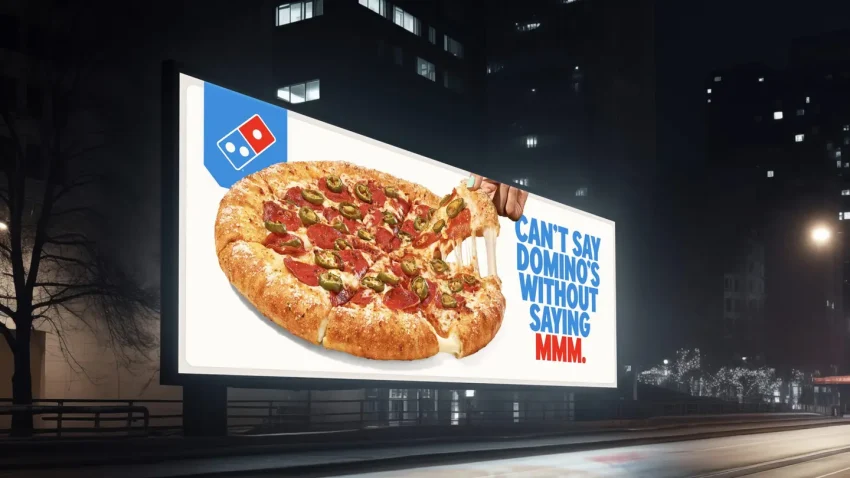
Bad pizza can survive for a while if the coupon is strong enough, but bad trust has a shorter shelf life. The Dominos Pizza digital transformation worked because the company did not treat technology as decoration. It used ordering tools, store systems, customer data, and public honesty to fix a business that Americans had started mocking in plain language. The lesson is bigger than pizza. A brand can have stores, ads, and national reach, yet still lose if customers feel ignored. For owners studying practical business growth ideas, Domino’s became a rare case where an old food chain acted more like a direct-response company than a slow restaurant brand. It improved the product, made ordering easier, reduced uncertainty, and gave people reasons to come back. That mix matters. The app alone did not save the company. The apology alone did not save it either. The rescue came from connecting both: better food and less friction.
Why the Digital Transformation Started With a Product Apology
Domino’s did something many troubled brands avoid. It admitted the product had become the joke. That mattered because technology cannot cover a weak core forever. If a customer hates the food, a faster checkout only delivers disappointment sooner. The company’s first move was not a fancy app. It was an open reset of the pizza, the recipe, and the way people talked about the brand.
The public criticism became usable business data
The smartest part of the Domino’s turnaround strategy was its lack of polish. The company heard customers say the crust tasted like cardboard and the sauce tasted dull. Most brands would bury that under softer language. Domino’s put the criticism near the center of the message.
That was risky. American diners are blunt, and social media was already turning complaints into public entertainment. Still, the company gained something valuable: a clean starting line. Once the old product was openly rejected, the new recipe had a sharper reason to exist.
The counterintuitive insight is that shame can become an asset when it is specific. “People dislike us” is vague. “People think our crust is bland” gives the kitchen a job. It also gives marketing a real story instead of another discount banner.
Better pizza made the technology believable
An online ordering system is only as strong as the promise behind it. Domino’s could have built a smoother website and still trained customers to expect average food. The recipe work gave every later tool a better job: help people reach a product they might enjoy again.
Think about a family in Ohio ordering dinner after a youth baseball game. They are tired, the kids are hungry, and nobody wants a debate. If the last Domino’s order was disappointing, the app does not matter. But if the pizza has improved and the ordering steps are simple, habit can restart.
That is where many companies misread the case. They study the tech stack and miss the emotional repair. Domino’s did not ask customers to forget the past. It gave them a clear reason to test the brand again.
Turning Ordering Into the Main Customer Experience
After the food reset, Domino’s treated ordering as part of the meal. That sounds obvious now, but it was not obvious for many restaurant chains at the time. For years, pizza delivery was full of tiny annoyances: busy phone lines, wrong addresses, coupon confusion, and the old question every hungry person hates: where is the driver?
Pizza Tracker solved anxiety, not logistics alone
Pizza Tracker worked because it changed the mood of waiting. Customers did not only want the store to make pizza. They wanted proof that the order had not vanished. Domino’s rolled out its tracker across U.S. stores using its internal store system, and later updates kept building on that idea.
The genius was simple. A progress bar turned a silent wait into a visible story. Order placed. Food prepared. Oven. Delivery. That did not make the pizza cook faster, but it made the wait feel less messy.
Plenty of brands spend money shaving a few seconds from a process while ignoring the customer’s nerves. Domino’s did the opposite. It saw that pizza delivery technology could calm people down. For a Friday night order in Dallas or Phoenix, that small feeling can decide whether a customer orders again next week.
Convenience became a habit loop
Domino’s kept pushing the order closer to the customer’s normal behavior. Its AnyWare system let people order through tools such as Apple CarPlay, Alexa, Apple Watch, and text, tied to saved profiles and Easy Orders. The idea was not that every customer would order from every device. The point was stronger: Domino’s wanted to be ready wherever hunger appeared.
That made the online ordering system less like a website and more like a habit. Save your address. Save your payment. Save the usual order. Repeat without thinking too hard.
Here is the less obvious lesson. Convenience can be a brand feature, not only an operations feature. A cheaper pizza place may win one order. The easier pizza place can win the tired customer, the parent, the office manager, and the college student who does not want to restart the buying process each time.
Building a Tech Company Inside a Pizza Chain
Domino’s did not become strong by acting ashamed of being a pizza company. It became stronger by building technology around the pizza business it already understood. Stores still mattered. Drivers still mattered. Franchise owners still mattered. The difference was that software started tying those parts together.
Store systems made the front-end promise possible
Customers see the app, the tracker, and the coupon screen. They do not see the store software underneath. But that hidden layer is where the promise either holds or breaks. If the app accepts orders faster than stores can handle them, customers feel cheated.
Domino’s had to connect digital demand with kitchen work. A store in Michigan handling dinner rush cannot live inside a marketing fantasy. It needs order flow, timing, staffing, and driver coordination that match real pressure.
This is where customer retention strategy planning becomes more useful than hype. Retention does not come from one bright feature. It comes from fewer broken moments. The customer remembers the order that arrived right, hot, and without a phone call.
Data helped the company sell without guessing
Digital orders gave Domino’s a clearer view of buying behavior. What people reorder. Which coupons pull families back. Which neighborhoods lean carryout when delivery fees feel high. This kind of information can guide menu offers, store planning, and local promotions.
A small restaurant owner can learn from that without copying Domino’s budget. The lesson is to collect signals before making big claims. A local pizza shop in Tampa might notice that carryout bundles beat delivery deals during inflation-heavy months. A bakery in Chicago might see that repeat buyers respond better to text reminders than broad social posts.
The non-obvious part is that data does not replace taste. It protects good taste from guesswork. A founder may love a product, but customers show the truth through repeat orders, skipped orders, and basket size.
Protecting the Turnaround as Customer Habits Changed
A rescue strategy is not finished once sales improve. In food, habits shift fast. Delivery apps train customers to compare. Inflation pushes families toward carryout. New menu items create short bursts, then fade. Domino’s had to keep defending the ground it won.
Delivery apps forced a new kind of competition
Domino’s built much of its strength by owning the order path. That gave it customer data and a direct relationship. Then third-party delivery platforms changed the American food market. Customers who once opened a pizza app might now open a marketplace and compare pizza, burgers, wings, tacos, and discounts on one screen.
That is uncomfortable for any brand built around direct ordering. But avoiding marketplaces forever can also cost reach. Domino’s later worked with large delivery platforms while still keeping its own ordering channels central.
This is a useful tension for small business strategy planning. Owning the customer relationship is better, but reach has value too. The smart move is not purity. It is balance. Use outside channels for discovery, then give customers a reason to return direct.
Carryout became a value weapon
For many U.S. households, delivery is no longer a casual add-on. Fees, tips, and menu markups can make a pizza night feel expensive. Domino’s carryout strength gave it another path. Customers could still get a deal without paying the full cost of convenience.
This matters because the Domino’s turnaround strategy was never only about shiny tools. It was about control. Control over ordering. Control over wait times. Control over offers. Carryout fit that pattern because it let the company serve budget-minded customers without giving up the relationship.
The unexpected insight is that the future of restaurant tech is not always more delivery. Sometimes the smarter move is helping people skip delivery. A strong app can sell pickup as cleanly as it sells doorstep service.
Conclusion
Domino’s did not save itself by pretending to be a software company with pizza boxes attached. It won because it made the buying path easier while fixing the reason people ordered in the first place. That combination is rare. Many companies chase tools before earning trust, then wonder why the numbers do not move. Domino’s showed a harder path: admit the problem, repair the product, build direct ordering, reduce customer anxiety, and keep adapting when the market changes. The digital transformation mattered because it served a clear business promise, not because it sounded modern. For American business owners, that is the real takeaway. Do not add technology to hide weak value. Use it to make the value easier to choose, easier to repeat, and harder to forget. Start where the customer feels friction, then remove it with discipline.
Frequently Asked Questions
How did Domino’s use technology to save its business?
Domino’s used technology to make ordering faster, clearer, and more repeatable. The company paired its improved recipe with tools such as Pizza Tracker, saved profiles, Easy Orders, and mobile ordering. That mix helped rebuild trust while giving customers less reason to call competitors.
What was the main reason Domino’s turnaround worked?
The turnaround worked because Domino’s fixed the product before leaning fully into technology. Customers were not asked to accept the same old pizza through a better app. They were shown a changed recipe, then given easier ways to order it again.
Is Domino’s more of a tech company or a pizza company?
It is still a pizza company, but it uses technology as a core business weapon. Stores, food quality, delivery, carryout, and franchise execution remain central. The tech matters because it connects those pieces into a smoother customer experience.
What can small businesses learn from Domino’s turnaround?
Small businesses can learn to fix the offer before promoting harder. Listen to blunt customer feedback, remove buying friction, track repeat behavior, and build direct relationships. The lesson is not to copy Domino’s budget. It is to copy its discipline.
Why was Pizza Tracker so effective for customers?
Pizza Tracker reduced the uncertainty that makes delivery stressful. Customers could see order progress instead of wondering whether the store received it. That simple visibility made waiting feel calmer and gave Domino’s a service edge beyond price.
Did online ordering make Domino’s more profitable?
Online ordering helped by increasing convenience, repeat orders, and direct customer data. It also reduced some phone-order friction. Profit still depended on store execution, menu pricing, franchise operations, and food quality, so the system worked best as part of a wider strategy.
Why did Domino’s focus so much on direct ordering?
Direct ordering gave Domino’s more control over customer data, promotions, timing, and brand experience. Third-party apps can bring reach, but they also weaken the direct relationship. Domino’s built strength by making its own channels easy enough to become a habit.
What is the biggest mistake brands make when copying Domino’s?
The biggest mistake is copying the visible technology while ignoring the trust repair underneath. An app, tracker, or loyalty tool cannot save a weak offer by itself. Domino’s worked because product improvement and customer convenience moved together.